Recent geopolitical developments have made it clear that the Netherlands is vulnerable when it comes to its digital infrastructure. In particular, its dependence on other countries (notably the US) and large technology companies raises questions. This has led to a growing call for digital autonomy. On the basis of which value(s) should we organise ourselves?
The central question at The Design for Values Digital Autonomy Impact Day was: What do we mean by digital autonomy, and what is needed to promote and operationalise it? Design for Values aims to integrate values – such as well-being, justice and autonomy – into all phases of technological development.
Digital autonomy requires coordination and the pooling of resources. It is a broad theme for organisations, and to make a difference, cross-sector collaboration and clear (design) principles for engineering practice and policy are crucial. During this event, we sought to foster cross-fertilisation between practice and academia and across different sectors (local authorities, implementing organisations, universities). We explored where the shared challenges lie and which core values are at stake when designing digital technology. We then mapped out how we can put digital autonomy into practice.
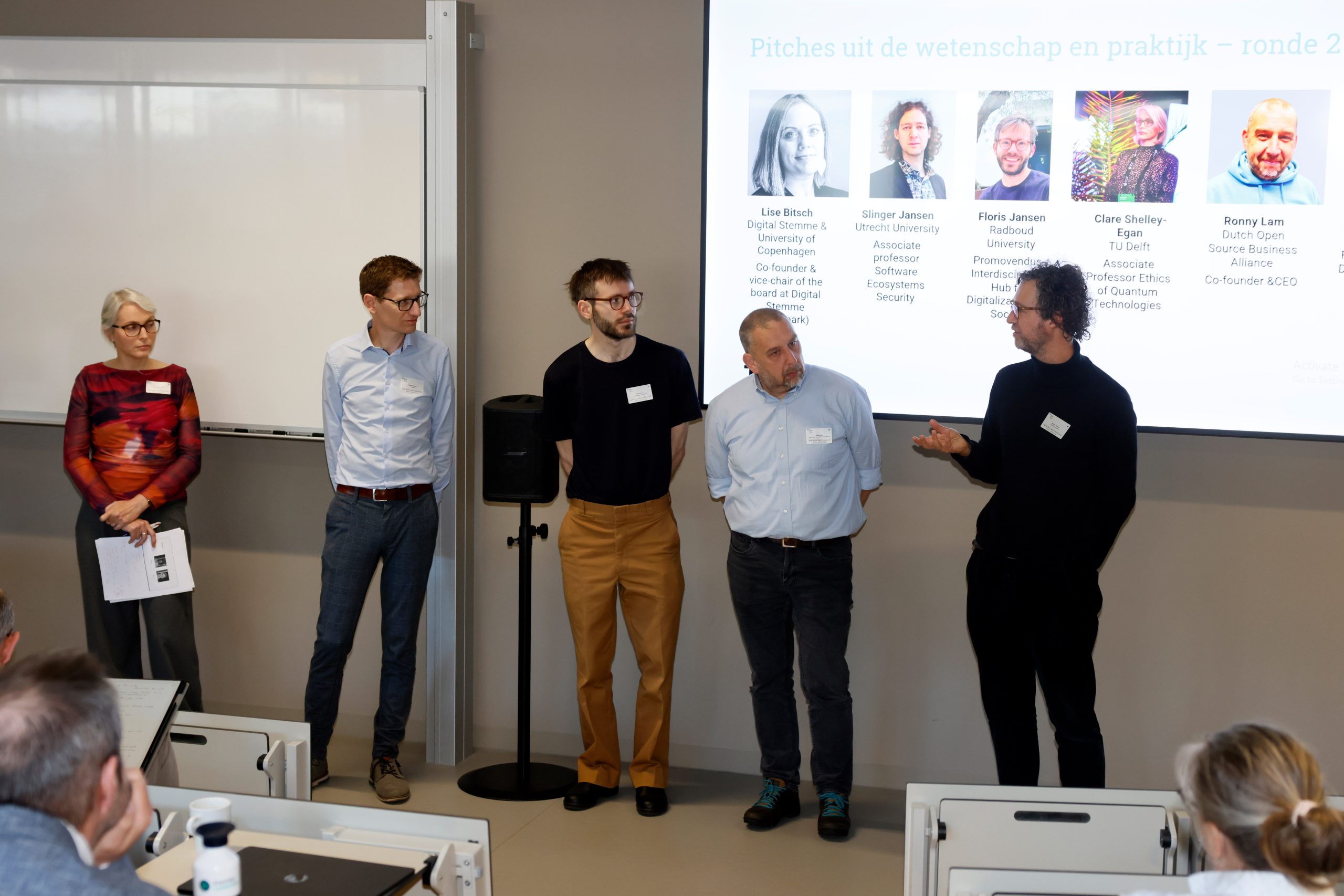
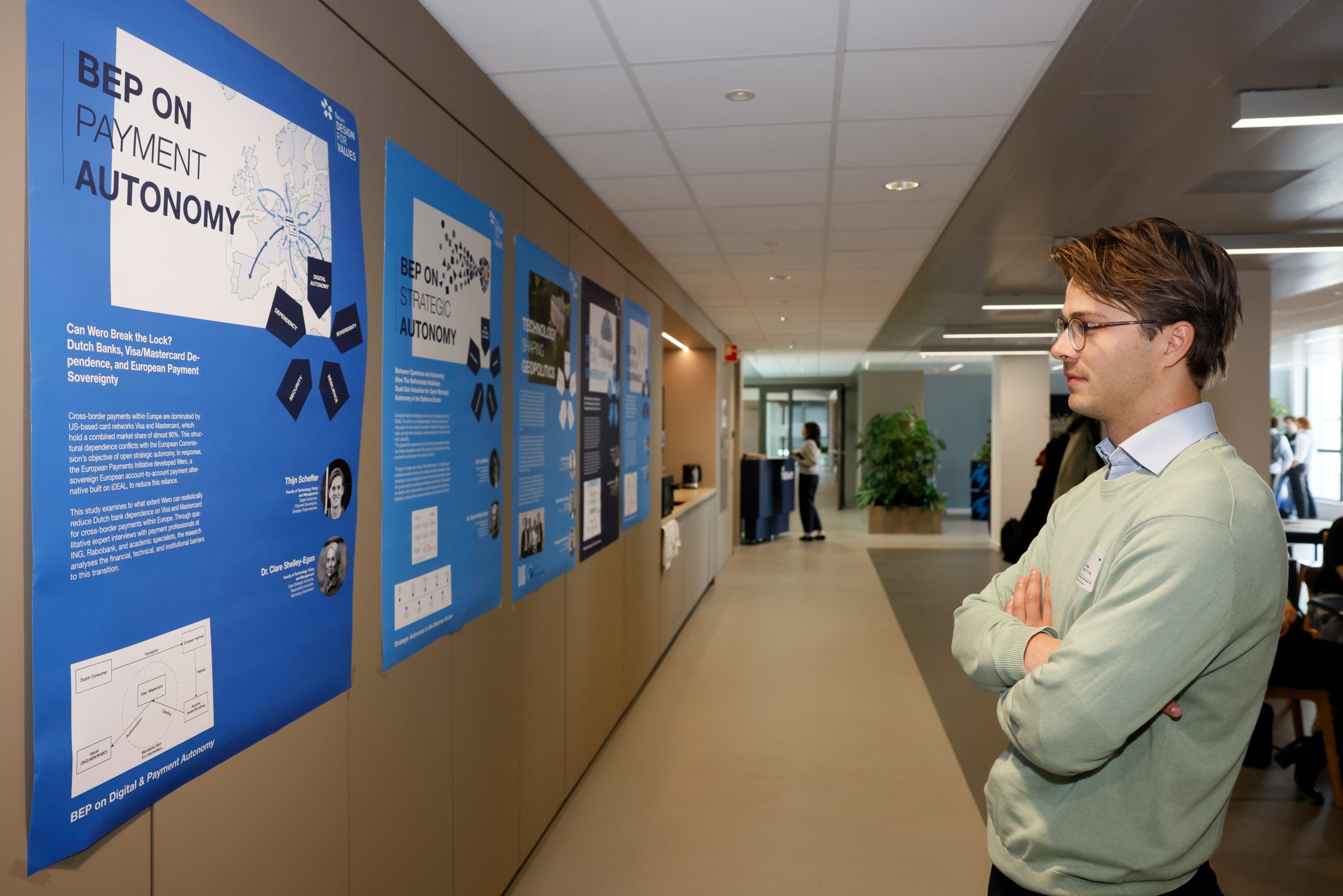
The day began with an introduction by Ibo van de Poel (Scientific Director of the Design for Values (DDfV) Institute) and Thijs Turèl (founder of the Digitale Autonomie Competentiecentrum (DACC) and member of the DDfV Institute’s advisory board). This was followed by short pitches from academics (Delft University of Technology, Radboud University and Utrecht University) and experts from the field. This provided insights drawn from recent research, (student) projects, policy development and other initiatives in the field of digital autonomy. For example, on how we can conceptualise digital autonomy, what practical (policy) challenges it entails and how it translates into technical choices. Governance and transition issues were also addressed, with consideration given to both building up and phasing out systems. Practical initiatives in the Netherlands and Denmark taught us how we can strengthen citizens’ autonomy in the online world.
Digital Stemme, for example, is committed to protecting fundamental human rights in the online world. The short pitches raised some particularly interesting questions: How do we arrive at open-source standards? What will future business models for platforms look like? How do we build trust in new technological developments that could offer an alternative, and how do we analyse the risks? What sort of governance mechanisms can we put in place to give a voice to the importance of digital autonomy?
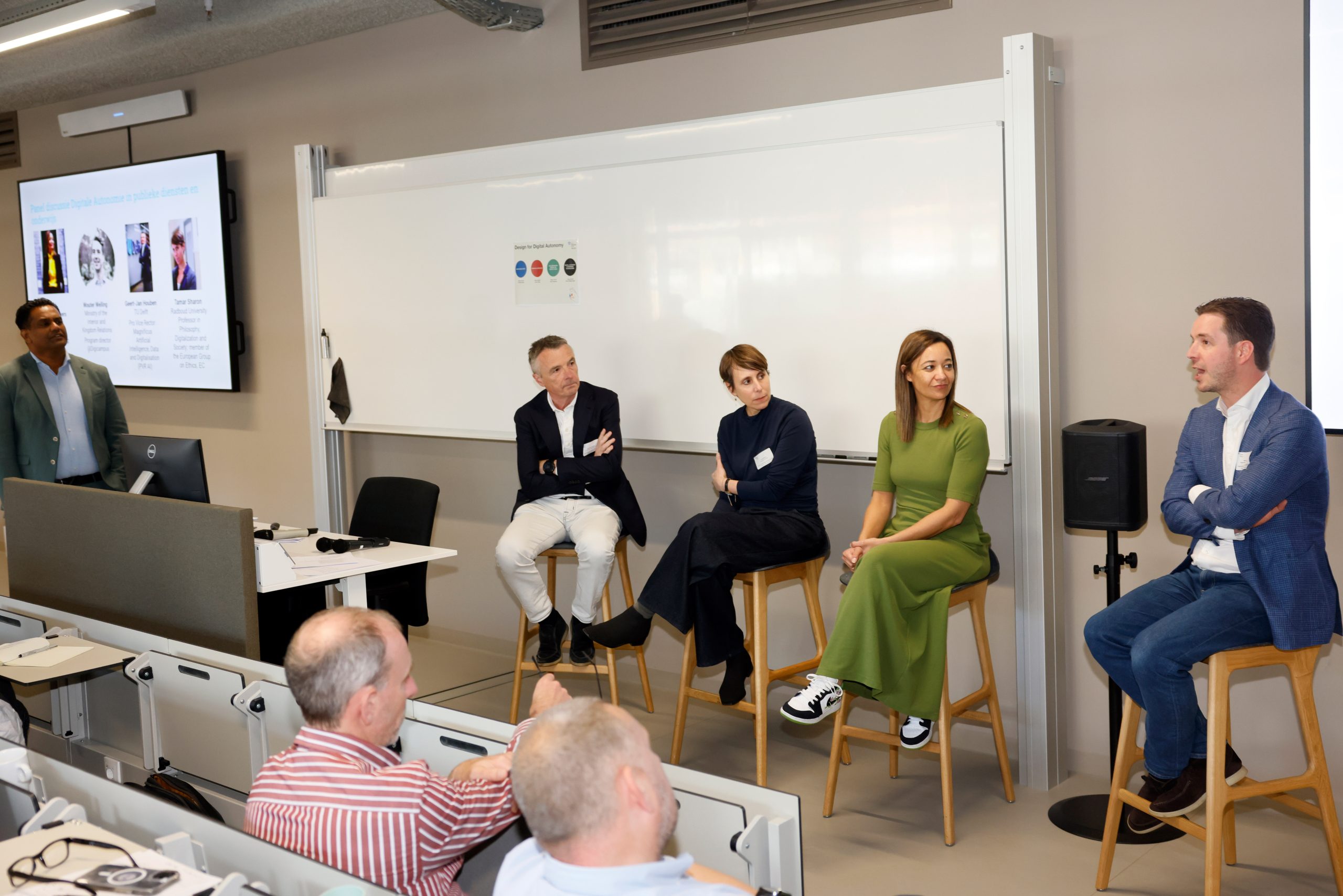
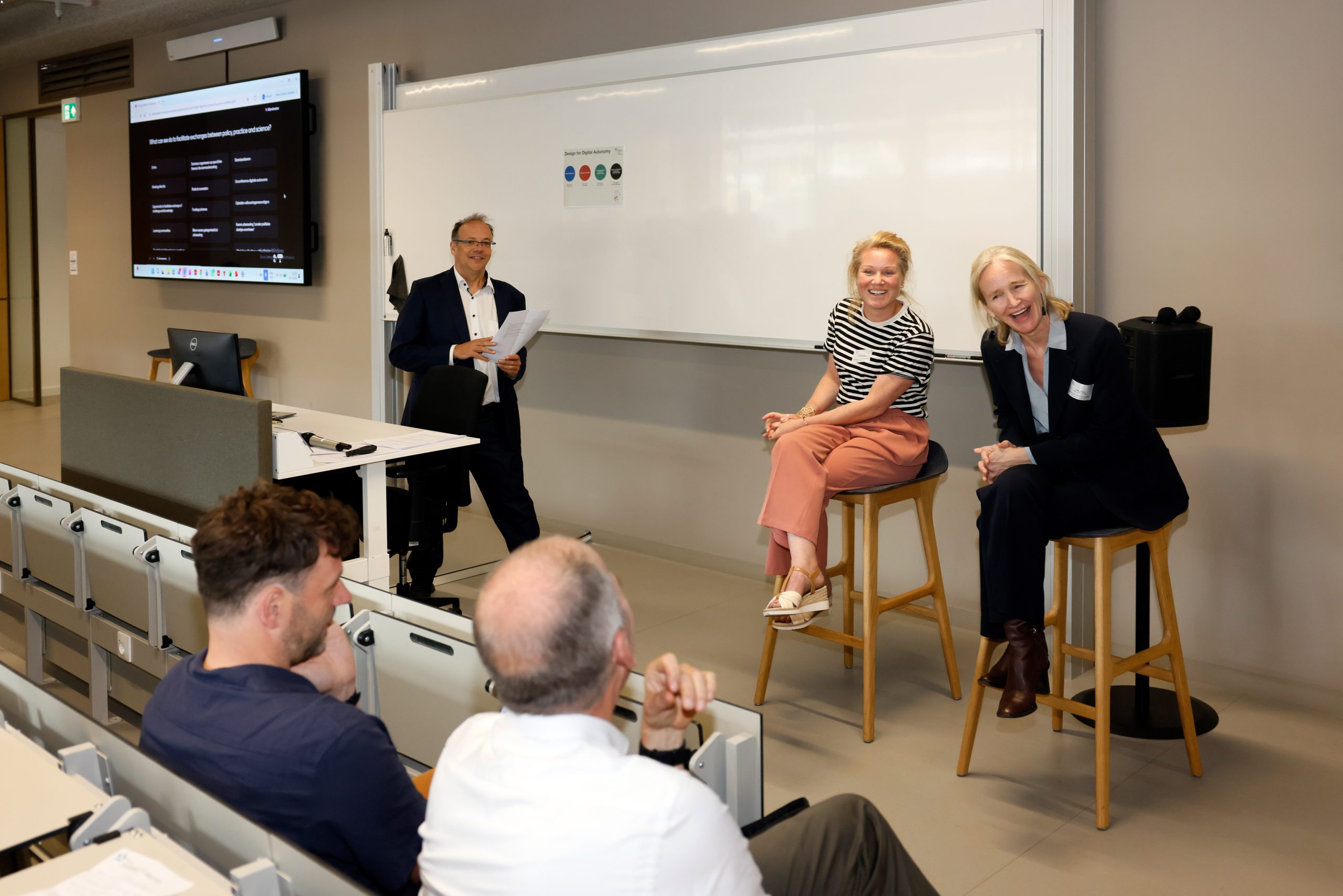
The multifaceted nature of these issues provided plenty of material to discuss for the panel on digital autonomy in the public sector and education. This panel comprised Britt Hoppenbrouwers (Country Managing Partner at Netcompany Netherlands), Wouter Welling (Ministry of the Interior and Kingdom Relations & Director of Digicampus), Geert-Jan Houben (Pro Vice Rector for Artificial Intelligence, Data and Digitalisation at Delft University of Technology) and Tamar Sharon (Professor of Philosophy, Digitalisation and Society at Radboud University; member of the European Group on Ethics, EC). The panel was moderated by Nitesh Bharosa (Professor of GovTech at Delft University of Technology) and discussed what is needed for genuine change (including at governance level), emphasising that clear objectives are essential when weighing up options and making decisions, and how we can organise knowledge regarding what is required within sectors. The importance of making choices based on public collective values was also discussed, emphasising the need to look beyond individual (or organisational) interests. There was a striking consensus that whilst there is a great deal of experimentation taking the form of pilot projects, the challenge lies in learning from these experiments and scaling them up when successful.
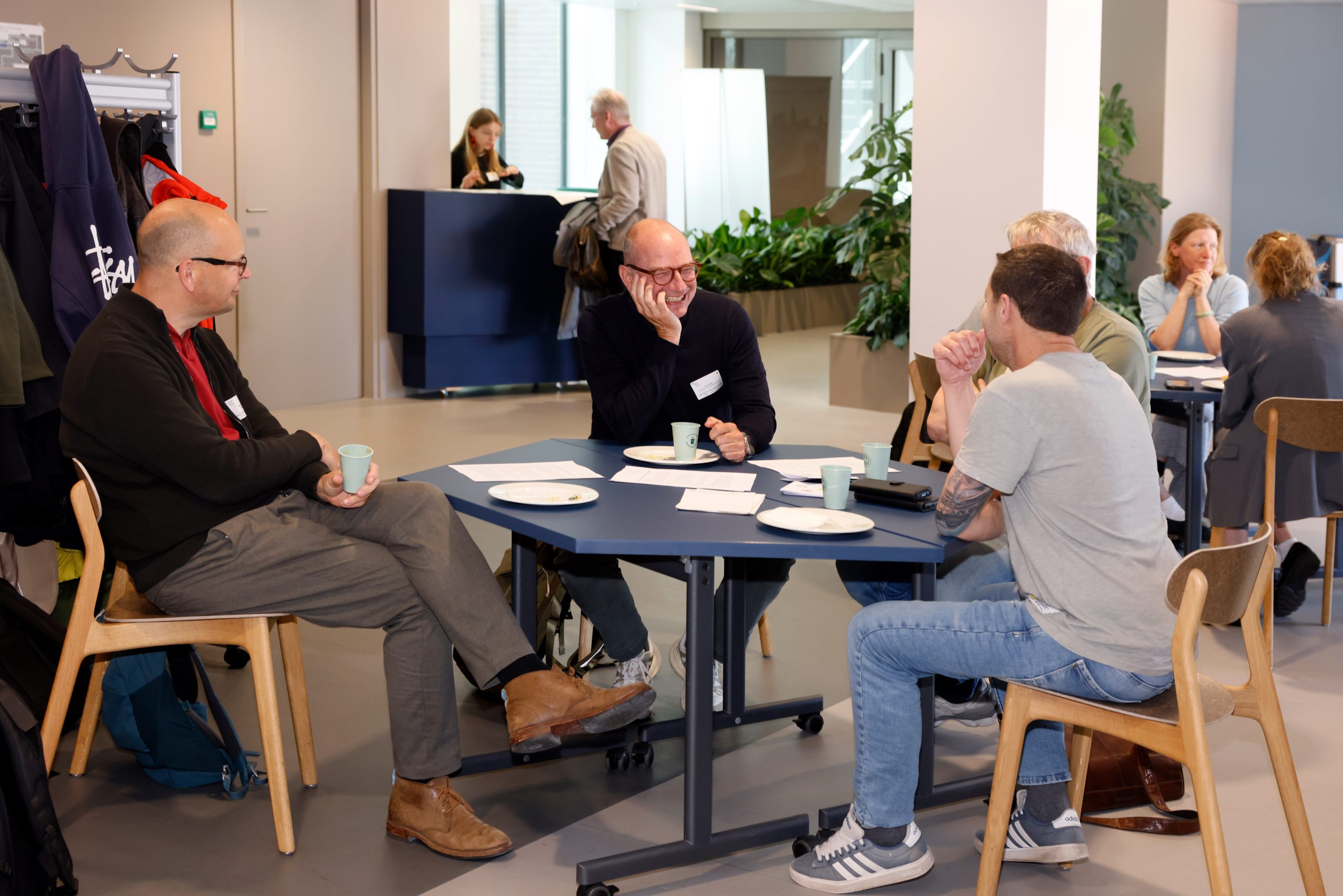
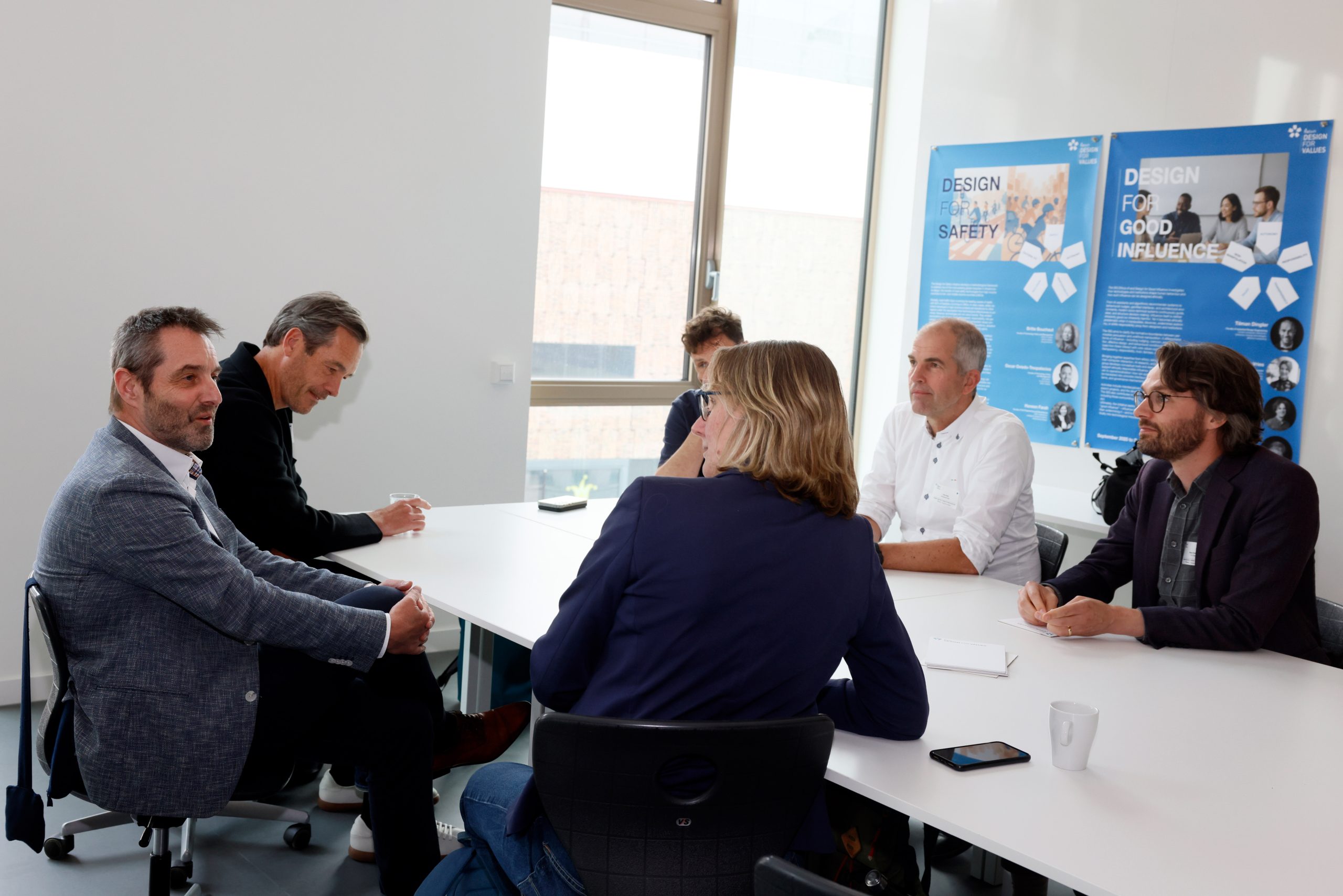
Following this, the participants were well prepared for the various round-table discussions, which focused on strengthening research and innovation ecosystems to promote digital autonomy.
“The path to digital autonomy is more than just a transition, as Tamar Sharon has already pointed out earlier today. It really involves building up and phasing out. The question is: do we know what we want to phase out, and are we capable of doing so?” With these words, Henny de Jong (Innovation Officer at the Ministry of Infrastructure and Water Management), together with Cokky Hilhorst (Dean of the Faculty of Technology, Policy and Management) and Ibo van de Poel, looked back on the day. Together, they concluded the day with the audience, using a series of discussion questions. These questions relate to research and innovation, and the necessary (integrated) collaborations required to design for values in the broadest sense. Three key points emerged during the closing session. Firstly, to strengthen digital autonomy, the exchange between academia and practice is seen as a key priority, whereby ‘practice’ encompasses more than just government and the private sector – it could also include ‘commons’. Secondly, there is a need for shared conceptual clarification regarding digital autonomy, integrity and sovereignty. Finally, the importance of training people with the right knowledge of infrastructure and IT governance was emphasised. A forward-looking human resources policy is therefore crucial.





 Jul 29
 Jul 15
 Jul 15